Gold, Silver, and the Discipline of Diversification
Introduction
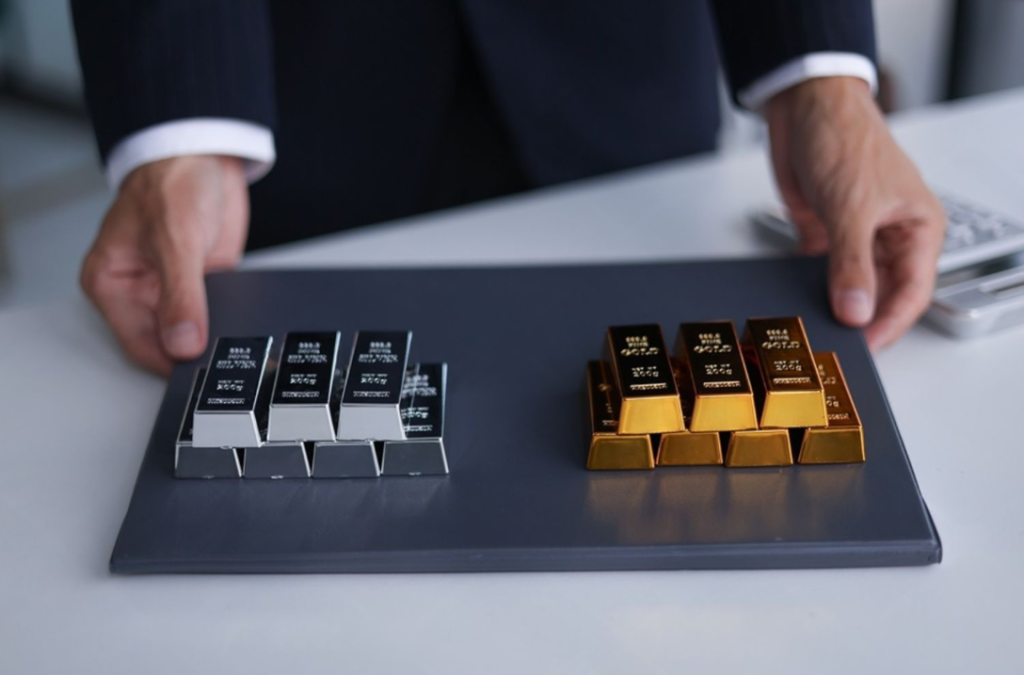
Over the past months, gold and silver have returned to the center of market discussions. Surging prices, sharp volatility, and growing investor interest have made precious metals a focal point once again. This is not surprising. Historically, gold and silver have played a vital role as stores of value, particularly during periods of uncertainty, inflationary pressure, or geopolitical stress.
Gold, in particular, has long been perceived as a hedge against fear; rising during times of panic, monetary debasement, or declining confidence in financial systems. Silver shares some of these characteristics, while also being influenced by industrial demand due to its extensive use in manufacturing, technology, and renewable energy sectors.
That said, understanding why prices move is only one part of sound investing.
What Drives Gold and Silver Prices?
Several key factors influence precious metal prices:
- Interest rates and real yields: Lower real yields tend to support gold prices.
- Supply and demand dynamics: Mining output, recycling, and investor demand all play a role.
- Central bank behavior: Gold purchases by central banks often signal shifts in monetary confidence.
- Market sentiment: Fear, uncertainty, and risk aversion typically favor gold.
- Industrial demand for silver: Economic cycles and industrial production significantly affect silver prices.
These drivers are well-documented and widely discussed. However, focusing only on price movements or short-term performance can lead investors to overlook a more important principle: portfolio construction.
Diversification Is Not Optional
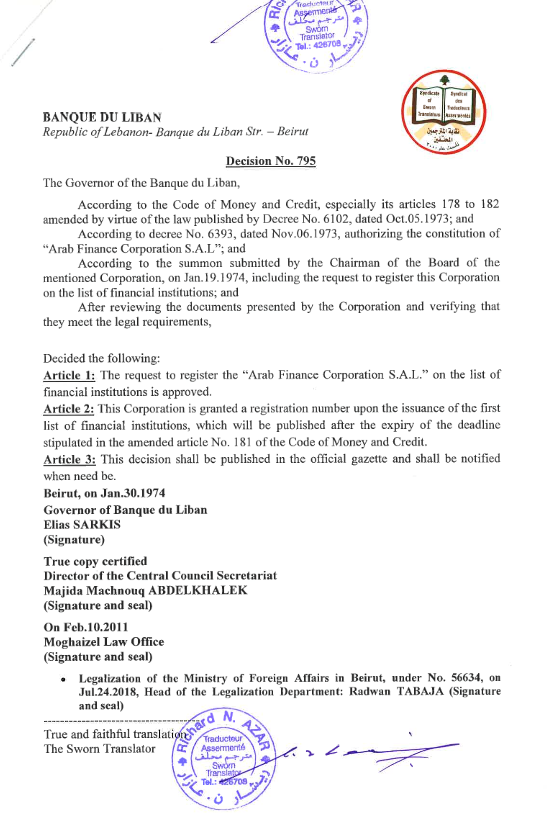
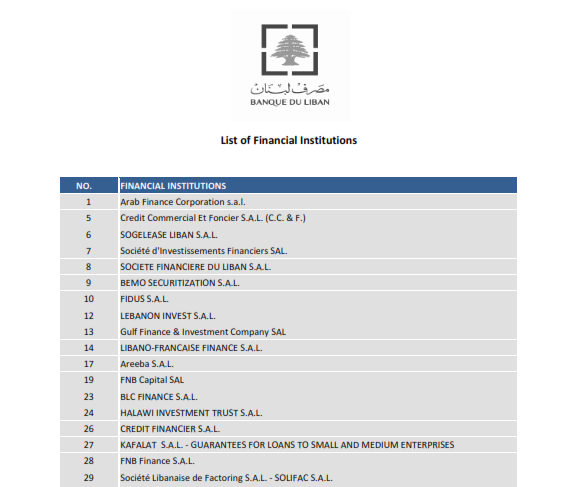
At Arab Finance Corporation (AFC), we consistently emphasize that no single asset class, regardless of its historical performance, should dominate a portfolio.
A well-constructed portfolio is:
- Diversified across asset classes
- Free from excessive concentration risk
- Managed with prudent leverage
- Aligned with the investor’s objectives and risk tolerance
Diversification does not eliminate volatility, but it manages it. It prevents emotional decision-making and protects investors from sharp drawdowns caused by overexposure to one theme or asset.
The Power of Rebalancing
Consider a simple example: If gold represents 10% of a diversified portfolio and its price surge causes that allocation to rise to 20%, the solution is not to “go all in” or to speculate further. Nor is it necessary to exit the position entirely. A disciplined strategy would be to rebalance and reduce the position back to its original 10% allocation.
This approach:
- Locks in profits systematically
- Maintains diversification
- Reduces concentration risk
- Enforces discipline over emotion
- Assets that rise rapidly often experience corrections.
When portfolios are overly concentrated, these corrections can be severe. Rebalancing allows investors to benefit from upside while remaining protected against sharp reversals.

Discipline Over Speculation
History has repeatedly shown that long-term success in wealth management does not come from chasing trends, but from consistency, structure, and discipline. Precious metals can play an important role in a portfolio, but as part of a broader strategy, not as a standalone bet.
At AFC, our advisory and research-driven approach focuses on helping clients navigate volatility through thoughtful allocation, continuous monitoring, and disciplined rebalancing, ensuring portfolios remain resilient across market cycles.
Diversification is not just a concept.
It is the cornerstone of sustainable wealth management.
Source: AFC Advisory & Asset Management Department